
Wet & Dry Rot Treatment
Wet rot is a localised decay that needs constant moisture; dry rot travels through brick, mortar and timber and is far more destructive. Getting the identification right early matters most. Our surveyor determines the type and specifies the cure.
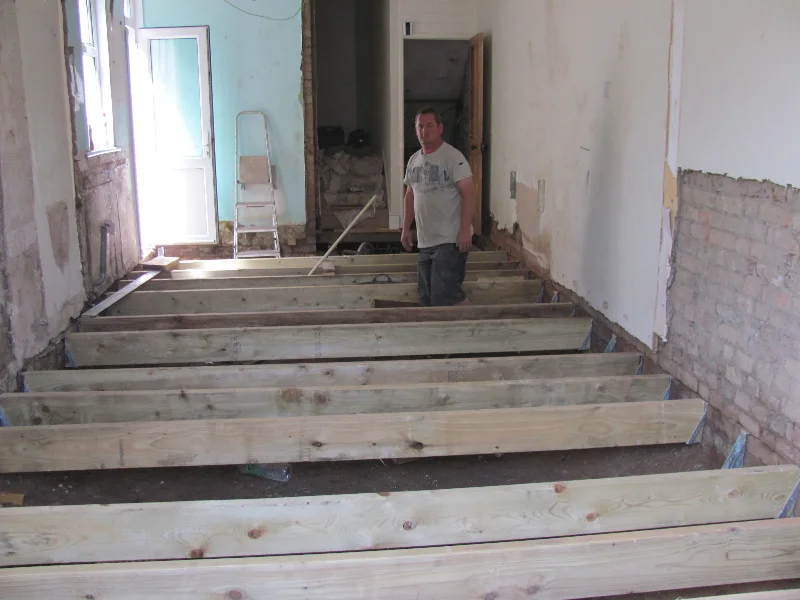 Real Trident job
Wet rot is a localised fungal infection and does not spread aggressively. It is the most common form of decay in buildings, thriving in poorly ventilated areas with high humidity and a constant supply of moisture. Treatment means stopping the moisture source, cutting out and renewing infected timbers, and treating the surrounding areas.
Dry rot (Serpula lacrymans) is a different animal. It travels through most building materials (wood, brick, mortar and concrete) and is much more destructive than wet rot, travelling quicker and further. A fruiting body is often the first visible sign, and early detection is essential.
The method of eradication depends on the spread: brickwork and mortar may need sterilisation, timbers replaced, and all affected areas treated. Finding the full extent is essential, which can mean hacking off plaster where necessary to check whether the rot is travelling hidden through the mortar.
Our qualified surveyor determines the type of rot on site and provides a written specification sheet for the best course of action. Because intervention beats replacement, we always identify why the rot appeared (ventilation, water penetration) and fix that too.
Common questions
Worth reading before you book.
One stays local to a leak; the other travels through brick and mortar and can quietly take a building apart. Early detection is everything.
No mystery, no sales pitch. Here is exactly what a Trident survey involves, who turns up, and what the written specification you receive covers.