
Condensation & Black Mould
The most common form of dampness in any home, whatever its age. Black mould on walls and ceilings, a musty smell and streaming windows are caused by everyday moisture meeting cold surfaces, and they are fixable with the right ventilation strategy.
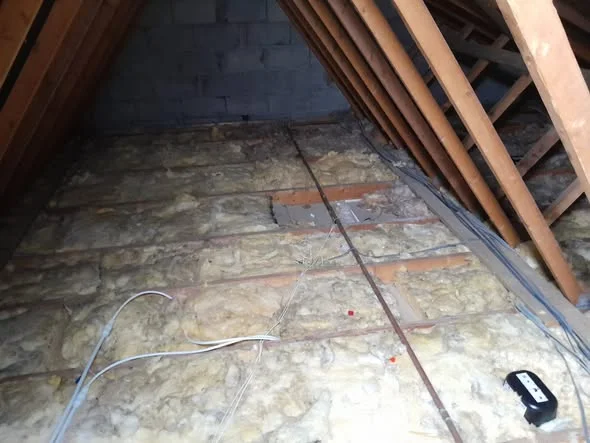 Real Trident job
Condensation is the most common form of dampness you will find in your home, and the age of the property has no bearing on it. The biggest sign is black mould on walls and ceilings, which causes a musty odour and can give rise to respiratory health problems.
The extra water vapour often does not come from the room that is affected: moisture from kitchens and bathrooms travels through the home and condenses on cold walls elsewhere. Mould grows on clean moisture like condensation. Rising damp carries ground salts that hold mould back, so black mould is not a sign of rising damp and should never be treated as one.
We survey the property to establish the scale of the problem, then specify the right remedy, from improved ventilation and fungicidal treatment up to a heat-recovery ventilation unit for persistent cases. No unnecessary damp-proofing, ever.
Common questions
Worth reading before you book.
Black mould is more than ugly. It comes with a musty smell and can aggravate respiratory problems. The permanent fix is rarely what the internet tells you.
Most "rising damp" we get called out to is nothing of the sort. Here is how the two problems actually behave, and why the difference matters to your wallet.