
Rising damp or condensation? How to tell before you spend a penny
Most "rising damp" we get called out to is nothing of the sort. Here is how the two problems actually behave, and why the difference matters to your wallet.
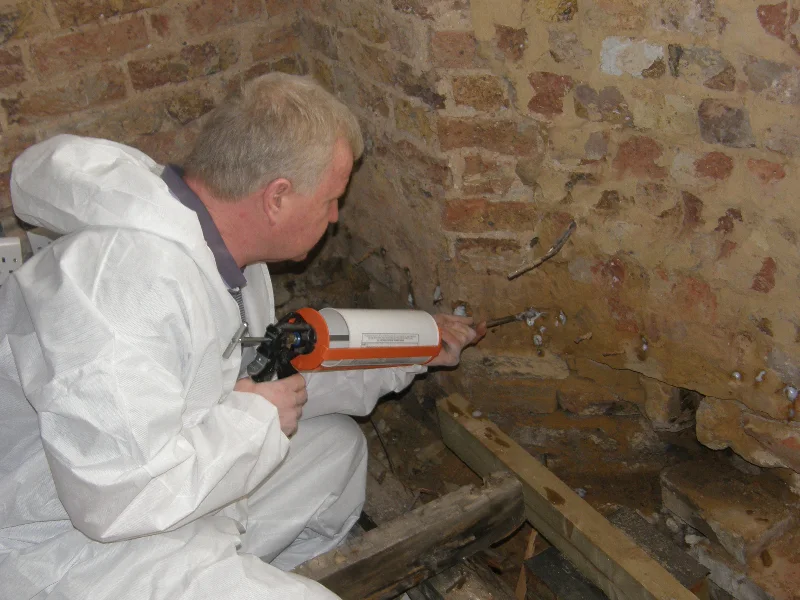
It is the most common mix-up in this trade, and the most expensive one to get wrong. A large share of the damp problems we survey are not rising damp at all. They are condensation, caused by everyday moisture and poor ventilation. Treating condensation with a chemical damp-proof course wastes your money and leaves the real problem untouched.
What rising damp actually looks like
True rising damp draws ground moisture up through the wall by capillary action, and it brings ground salts with it. That gives it a signature: tide marks and salting on ground-floor walls, damp that stops somewhere around a metre to 1.2 metres high, plaster that bubbles or feels crumbly, and skirting boards that rot or lift. It does not appear upstairs, and it does not come and go with the weather.
What condensation looks like
Condensation is moisture from everyday living (cooking, showering, drying clothes) landing on cold surfaces. Its signature is black mould: spots on walls, ceilings and around windows, a musty smell, streaming glass on cold mornings. It often shows up in rooms far from the moisture source, because water vapour travels through the house and condenses on the coldest wall it finds. And here is the key fact: rising damp carries ground salts that hold mould back, so black mould points to condensation, not rising damp.
Why an honest survey matters
Our surveyors work to one ethic: find the real problem, then specify the best remedial course of action. If your "rising damp" is actually a ventilation problem, the report says so. The fix might be as simple as improved airflow and a fungicidal treatment rather than hacking off plaster.
If you are looking at a stained wall right now and wondering which one you have, send us a photo on WhatsApp or book a survey, and a qualified surveyor who also does the work will give you a straight answer.
Get an honest answer from the surveyor who would do the work.