
Dry rot vs wet rot: the warning signs every homeowner should know
One stays local to a leak; the other travels through brick and mortar and can quietly take a building apart. Early detection is everything.
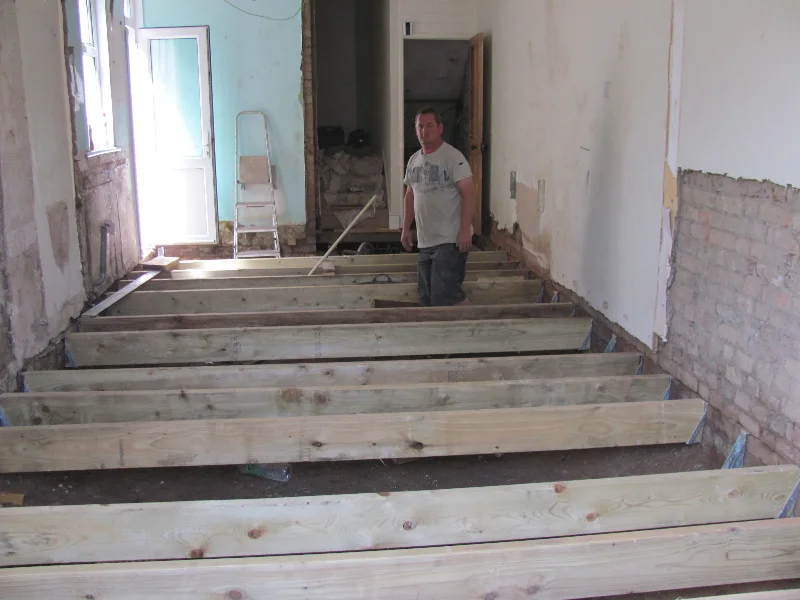
All rot needs moisture, but the two kinds behave very differently, and the urgency is worlds apart.
Wet rot: common, local, containable
Wet rot is the most common form of decay in buildings. It is a localised fungal attack that thrives in poorly ventilated areas with high humidity and a constant moisture supply (a leaking gutter soaking a joist end, for instance). It does not spread aggressively. The cure is to stop the moisture, cut out and renew the infected timbers, and treat the surrounding areas.
Dry rot: the one to take seriously
Dry rot (Serpula lacrymans) is much more destructive. Its fungal strands travel through wood, brick, mortar and even concrete in search of moisture and nutrients, moving quicker and further than wet rot. A fruiting body (a rusty, pancake-like growth) is often the first visible sign. Others include a damp, mushroomy smell, cuboidal cracking in timber, and grey-white strands across masonry.
Because it travels hidden through mortar, finding the full extent is essential, and sometimes plaster has to come off to trace it. Brickwork may need sterilising, timbers replacing, and all affected areas treating.
If you suspect rot
Do not cover it up and hope. A qualified surveyor can determine the type of rot on site and provide a written specification for the best course of action, including finding and fixing the moisture source, because intervention always beats replacement.
Get an honest answer from the surveyor who would do the work.