
Thinking of converting your basement? How modern waterproofing actually works
Old-fashioned tanking fought the water. Cavity drain membranes manage it, and that difference is what makes a dry, livable basement possible.
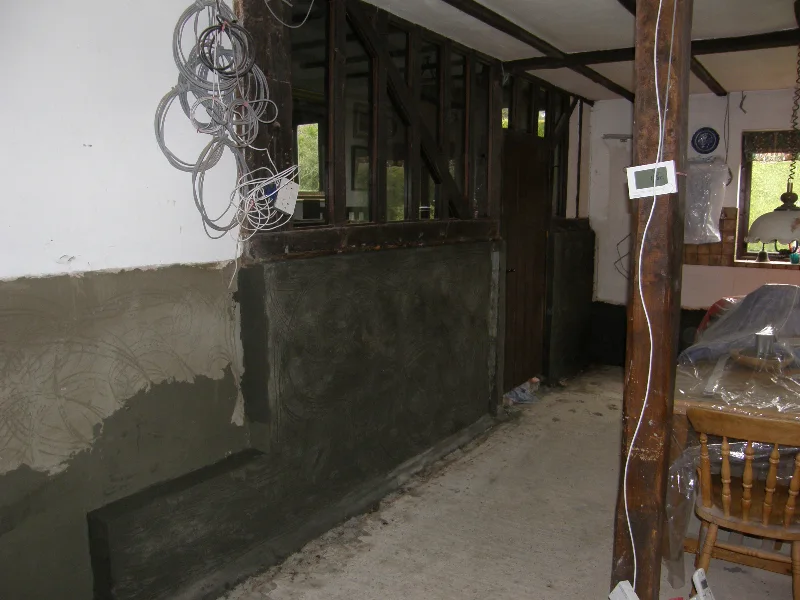
Space is at a premium, and after the loft the basement is the most valuable area left to expand into. But a basement conversion lives or dies on its waterproofing, and the method matters.
The old way: tanking
Traditional tanking seals the walls to hold water out of the living space. It works until it does not. The sealed water keeps building pressure against the brickwork, the structure stays wet, and any weak point in the tanking eventually shows.
The modern way: cavity drain membranes
A cavity drain system takes control of the water instead of fighting it. Studded membranes are formed on the walls and floor, water travels harmlessly behind them to a drainage channel, and it is pumped or drained away from the living space. That relieves pressure on the structure and lets the brickwork dry. The walls can then be dry-lined or plastered directly, and floors screeded or finished with a floating dry floor.
We design these systems with Isola Platon membranes, matched to the water ingress, head height and how you want to use the space, and the work is covered by GPI insurance-backed guarantees, accepted by lenders across the UK.
Get an honest answer from the surveyor who would do the work.